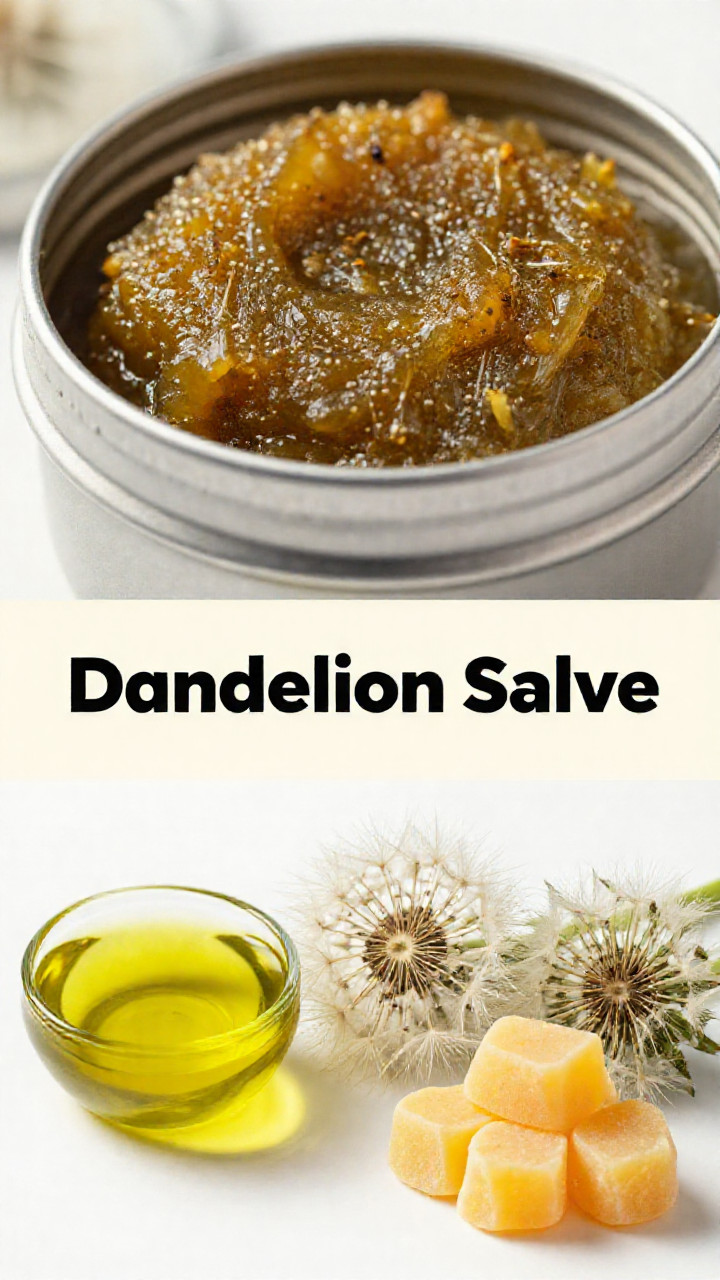
Dandelion Salve: A Natural Healing Balm for Gentle Care
In the quiet moments of life, when the world feels a bit too loud, there’s a certain comfort in turning to simple, wholesome remedies. Today, we’re embracing the golden hue of dandelions, transforming their sunny blossoms into a soothing Dandelion Salve. This isn’t just a recipe; it’s an invitation to slow down, connect with nature, and create something beautiful and beneficial with your own hands.
Imagine the warmth of the sun on your skin, the gentle breeze carrying the scent of wildflowers. That’s the feeling we’re capturing in this Dandelion Salve – a natural balm to nourish and protect, perfect for dry hands, irritated skin, or simply as a mindful moment of self-care. It’s a simple pleasure, made with love and intention.
Why You’ll Love This Dandelion Salve Recipe
This Dandelion Salve isn’t just another skincare product; it’s a little jar of sunshine and healing. Here’s why I think you’ll fall in love with it:
- Natural & Gentle: Made with simple, wholesome ingredients, perfect for sensitive skin.
- Soothing Relief: Helps to soothe dry, itchy, and irritated skin.
- Easy to Make: A simple recipe that anyone can follow, even if you’re new to herbal remedies.
- Connects You to Nature: A beautiful way to appreciate the healing power of the dandelions growing right in your backyard.
- Minimalist Beauty: Embraces the beauty of simplicity, avoiding complicated ingredients and processes.
It’s a small act of self-care that brings a sense of calm and connection, reminding us of the simple joys in life. Plus, it’s a sustainable way to use dandelions, often considered weeds, in a beneficial and beautiful way.
Ingredients for Your Homemade Dandelion Salve
We’re keeping things simple and pure with just a few key ingredients for our Dandelion Salve:
- 1/2 Cup Olive Oil (or other oil of choice): This forms the base of our salve, infusing with the healing properties of the dandelions. Olive oil is nourishing and moisturizing, but you can also use other oils like almond oil, grapeseed oil, or avocado oil. Consider what feels best on your skin.
- 1/4 Cup Fresh Dandelion Heads: The stars of the show! Make sure to gather your dandelions from a clean, unsprayed area. Pick them on a sunny day when they are fully open.
- 1 Tablespoon Beeswax Pastilles: This helps to thicken the oil into a salve consistency. You can adjust the amount of beeswax to achieve your desired firmness.
These ingredients are readily available and easy to work with, making this a truly accessible recipe for anyone looking to create their own natural skincare.
How to Make Dandelion Salve: A Step-by-Step Guide
Creating your own Dandelion Salve is a meditative process, a chance to slow down and connect with the earth’s healing energy. Here’s a gentle guide to help you along the way:
- Prepare the Double Boiler: In the bottom of a double boiler, place an inch of water and bring to a boil. Keep the water simmering gently.
- Combine Oil and Dandelions: In the top of the double boiler, combine the dandelion flower heads and the oil.
- Infuse the Oil: Let the oil and dandelions sit and stay warm (but not frying) on top of the simmering water for about 30 minutes. This allows the oil to infuse with the beneficial properties of the flowers.
- Strain the Oil: Strain the flowers from the oil into a clean bowl, using a cheesecloth or fine-mesh sieve. Gently squeeze out any excess oil from the flowers.
- Prepare for Beeswax: Wipe out the top of the double boiler to remove any lingering flower petals.
- Melt the Beeswax: Add more water to the bottom of the double boiler if necessary and keep it simmering. Pour the strained oil back into the top of the double boiler and add the beeswax pastilles.
- Combine and Melt: Heat the mixture until the beeswax melts completely, stirring occasionally to ensure it’s fully incorporated.
- Pour and Cool: Pour the warm salve into small tins or jars. Let them harden and cool for about 1 hour before placing the lids on securely.
And there you have it – your own homemade Dandelion Salve, ready to soothe and nourish your skin! This process is a gentle reminder that creating something beautiful and beneficial can be simple and deeply rewarding.
Pro Tips for the Best Dandelion Salve
To ensure your Dandelion Salve turns out perfectly, here are a few pro tips to keep in mind:
- Gathering Dandelions: Choose dandelions from a clean, unsprayed area, away from roads and potential pollutants. Pick them on a sunny day when they are fully open, as this is when they contain the most beneficial properties.
- Drying Dandelions (Optional): While you can use fresh dandelions, some prefer to dry them slightly to reduce the water content. This can help to prevent mold growth and extend the shelf life of your salve. To dry them, spread the flower heads out on a clean towel in a well-ventilated area for a day or two.
- Infusion Time: Don’t rush the infusion process. Allowing the oil and dandelions to sit together for the recommended time ensures that the oil is fully infused with the plant’s healing properties.
- Beeswax Consistency: Adjust the amount of beeswax to achieve your desired consistency. If you prefer a firmer salve, add a bit more beeswax. If you prefer a softer salve, use a bit less.
- Cleanliness is Key: Make sure all your equipment is clean and sterilized to prevent contamination and ensure a long shelf life for your salve.
With these tips in mind, you’ll be well on your way to creating a beautiful and effective Dandelion Salve that you can enjoy for months to come.
Common Mistakes to Avoid When Making Dandelion Salve
Even with a simple recipe, it’s helpful to be aware of potential pitfalls. Here are a few common mistakes to avoid when making Dandelion Salve:
- Using Dandelions from Treated Areas: This is crucial! Never use dandelions from areas that have been sprayed with pesticides or herbicides. These chemicals can be harmful and will end up in your salve.
- Not Straining the Oil Properly: Make sure to strain the oil thoroughly to remove all flower particles. Leaving flower debris in the salve can lead to spoilage and a less smooth texture.
- Overheating the Oil: Avoid overheating the oil during the infusion process. High heat can damage the beneficial properties of the dandelions. Keep the water in the double boiler at a gentle simmer.
- Adding Too Much Beeswax: Adding too much beeswax can result in a salve that is too hard and difficult to apply. Start with the recommended amount and adjust as needed.
- Contamination: Ensure all your equipment is clean and sterilized to prevent contamination. This will help to extend the shelf life of your salve.
By being mindful of these potential mistakes, you can ensure that your Dandelion Salve turns out perfectly every time.
Variations: Personalizing Your Dandelion Salve
One of the beautiful things about making your own skincare is the ability to customize it to your specific needs and preferences. Here are a few variations you can try to personalize your Dandelion Salve:
- Infused Oil Variations: Experiment with different infused oils. Calendula-infused oil, lavender-infused oil, or chamomile-infused oil can add extra soothing and healing properties to your salve.
- Essential Oil Additions: Add a few drops of your favorite essential oils for added fragrance and therapeutic benefits. Lavender, chamomile, frankincense, and tea tree are all great options. Be sure to use high-quality, therapeutic-grade essential oils.
- Herbal Additions: Add other dried herbs to the oil during the infusion process. Plantain, comfrey, and chickweed are all known for their skin-healing properties.
- Vitamin E Oil: Add a few drops of vitamin E oil to your salve for added antioxidant benefits and to help extend its shelf life.
- Shea Butter: Add a small amount of shea butter to the oil along with the beeswax for a richer, more moisturizing salve.
Feel free to experiment and find the combination that works best for your skin and your senses. The possibilities are endless!
How to Store Your Homemade Dandelion Salve
Proper storage is essential to maintain the quality and extend the shelf life of your Dandelion Salve. Here are a few tips:
- Airtight Containers: Store your salve in airtight containers to prevent oxidation and contamination. Small tins or glass jars are ideal.
- Cool, Dark Place: Keep your salve in a cool, dark place away from direct sunlight and heat. This will help to prevent the oils from going rancid.
- Avoid Moisture: Avoid introducing moisture into the salve, as this can promote bacterial growth. Use clean, dry hands when applying the salve.
- Shelf Life: Properly stored, your Dandelion Salve should last for about 6-12 months. If you notice any changes in smell, texture, or appearance, it’s best to discard it.
By following these storage tips, you can ensure that your Dandelion Salve remains fresh and effective for as long as possible.
Frequently Asked Questions About Dandelion Salve
Here are some common questions about making and using Dandelion Salve:
- What are the benefits of Dandelion Salve? Dandelion Salve is known for its soothing and healing properties. It can help to soothe dry, itchy, and irritated skin, as well as minor cuts, scrapes, and burns. It’s also thought to have anti-inflammatory and pain-relieving benefits.
- Is Dandelion Salve safe for all skin types? Dandelion Salve is generally safe for all skin types, but it’s always a good idea to do a patch test before applying it to a large area of skin, especially if you have sensitive skin.
- Can I use dried dandelions instead of fresh dandelions? Yes, you can use dried dandelions. Use about half the amount of dried dandelions as you would fresh dandelions.
- How often can I use Dandelion Salve? You can use Dandelion Salve as often as needed to soothe and moisturize your skin.
- Can I use Dandelion Salve on my face? Yes, you can use Dandelion Salve on your face, but be sure to avoid the eye area.
If you have any other questions, feel free to ask! I’m always happy to share my knowledge and experience.
Serving Suggestions: How to Use Your Dandelion Salve
Now that you’ve created your own Dandelion Salve, here are a few ways to incorporate it into your daily routine:
- Dry Hands and Cuticles: Apply a small amount of salve to dry hands and cuticles to moisturize and soothe.
- Dry Skin Patches: Use it on elbows, knees, and other areas of dry, rough skin.
- Minor Cuts and Scrapes: Apply a thin layer to minor cuts and scrapes to promote healing.
- Sunburn Relief: Gently apply to sunburnt skin for soothing relief.
- Massage Balm: Use it as a massage balm for sore muscles.
- Lip Balm: Apply a small amount to chapped lips.
However you choose to use it, I hope your Dandelion Salve brings you a sense of comfort and well-being. It’s a small reminder that nature’s healing power is always within reach.
The Oil: Choosing the Right Carrier for Your Salve
Selecting the right oil is crucial for the efficacy and feel of your dandelion salve. The oil acts as a carrier, extracting and delivering the beneficial properties of the dandelions to your skin. Here’s a deeper dive into some popular choices:
- Olive Oil: A classic choice, olive oil is rich in antioxidants and has excellent moisturizing properties. It’s readily available and relatively inexpensive, making it a great option for beginners. The oil has a slightly heavier feel, which some may find beneficial for very dry skin.
- Almond Oil: Known for its light texture and ability to absorb quickly into the skin, almond oil is a good choice if you prefer a less greasy feel. The oil is also rich in vitamin E, which is beneficial for skin health.
- Grapeseed Oil: This oil is very light and non-comedogenic, meaning it’s unlikely to clog pores. It’s a good choice for those with oily or acne-prone skin. The oil is also rich in antioxidants and linoleic acid, which can help to improve skin elasticity.
- Avocado Oil: Rich in vitamins A, D, and E, as well as lecithin, avocado oil is deeply moisturizing and nourishing. It’s a good choice for very dry or mature skin. The oil has a slightly heavier feel than almond or grapeseed oil.
- Coconut Oil: While solid at room temperature, coconut oil can be melted and infused with dandelions. It has strong antimicrobial properties and is very moisturizing. However, it can be comedogenic for some, so it’s best to test it on a small area of skin before using it extensively.
Ultimately, the best oil for your dandelion salve will depend on your skin type and personal preferences. Consider the texture, absorption rate, and potential benefits of each oil before making your choice. If you like to experiment, try using a blend of different oils to create a custom formulation that meets your specific needs.
The Flowers: Harvesting and Preparing Your Dandelions
The quality of your dandelions directly impacts the quality of your salve. Proper harvesting and preparation are essential to ensure you’re extracting the maximum benefits from these sunny blossoms.
- Timing is Key: The best time to harvest dandelions is on a sunny day when the flowers are fully open. This is when they contain the highest concentration of beneficial compounds. Avoid harvesting after rain, as the flowers will be waterlogged and less potent.
- Location Matters: Choose dandelions from a clean, unsprayed area, away from roads, industrial sites, and areas where pesticides or herbicides may have been used. Opt for dandelions growing in your own backyard or in a wild, natural setting.
- Gentle Harvesting: Use scissors or pruning shears to carefully cut the flower heads from the stem. Avoid pulling the entire plant, as this can damage the root system.
- Cleaning and Drying: Once harvested, gently rinse the flower heads with cool water to remove any dirt or debris. Spread them out on a clean towel or screen in a well-ventilated area to dry slightly. You can use them fresh, but allowing them to dry for a few hours or overnight will help to reduce the water content and prevent mold growth.
- Flower Head Preparation: Some people prefer to use only the yellow petals of the dandelion flower, while others use the entire flower head. Both options are fine, but using the entire flower head will result in a slightly more potent salve. If you prefer to use only the petals, simply pluck them from the flower head before infusing them in the oil.
Taking the time to harvest and prepare your dandelions properly will result in a higher-quality, more effective salve that you can feel good about using on your skin.
Don’t Forget: The Importance of Beeswax
Beeswax is the key ingredient that transforms your infused oil into a solid salve. It not only provides the desired consistency but also offers its own unique benefits for the skin.
- Natural Thickener: Beeswax is a natural emulsifier, meaning it helps to bind the oil and water molecules together, creating a stable and consistent salve. It also provides the desired thickness and firmness.
- Protective Barrier: Beeswax forms a protective barrier on the skin, helping to lock in moisture and protect against environmental damage. This barrier is breathable, allowing the skin to breathe and preventing it from becoming suffocated.
- Anti-Inflammatory Properties: Beeswax has anti-inflammatory properties that can help to soothe and calm irritated skin. It’s also known to have antibacterial and antiviral properties, which can help to protect against infection.
- Adjusting Consistency: The amount of beeswax you use will determine the firmness of your salve. For a firmer salve, use more beeswax. For a softer salve, use less. It’s best to start with the recommended amount and adjust as needed to achieve your desired consistency.
- Beeswax Alternatives: If you’re vegan or allergic to beeswax, you can use candelilla wax or carnauba wax as a substitute. However, these waxes are generally harder than beeswax, so you’ll need to use less of them to achieve the same consistency.
Choosing high-quality beeswax is essential to ensure the best results. Look for beeswax that is pure, unrefined, and free from additives or chemicals. Locally sourced beeswax is often a good choice, as it’s likely to be fresher and of higher quality.
To Make a Dandelion Infused Oil
Creating a dandelion-infused oil is the heart of this recipe, and there are a few methods you can use to achieve the best results. Each method offers its own advantages, so choose the one that best suits your time constraints and preferences.
- The Slow Infusion Method (Solar Infusion): This method involves placing the dandelions and oil in a jar and allowing them to infuse in a sunny location for several weeks. This gentle method allows the oil to slowly extract the beneficial compounds from the dandelions, resulting in a potent and flavorful infusion. Simply combine the dandelions and oil in a clean, dry jar, seal it tightly, and place it in a sunny windowsill for 4-6 weeks. Shake the jar occasionally to ensure even infusion.
- The Quick Infusion Method (Double Boiler): This method involves gently heating the dandelions and oil in a double boiler for a few hours. This speeds up the infusion process, allowing you to create a dandelion-infused oil in a matter of hours instead of weeks. Combine the dandelions and oil in the top of a double boiler and heat over low heat for 2-3 hours, stirring occasionally. Be careful not to overheat the oil, as this can damage the beneficial compounds.
- The Crock-Pot Method: This method involves combining the dandelions and oil in a crock-pot and heating on low for several hours. This is a convenient way to infuse the oil, as it requires minimal attention. Combine the dandelions and oil in a crock-pot and heat on low for 4-6 hours, stirring occasionally.
- The Oven Method: As a quick alternative, you can use your oven on a very low setting. Place the dandelions and oil in an oven-safe dish, and heat at the lowest possible temperature (ideally below 200°F) for 2-4 hours. Monitor closely to prevent burning.
No matter which method you choose, be sure to strain the oil thoroughly after infusion to remove all flower particles. Store the infused oil in a clean, airtight container in a cool, dark place.
If You Like To: Uses of Dandelion Salve
Dandelion salve is a versatile remedy with a wide range of uses, making it a valuable addition to your natural skincare toolkit.
- Skin Soothing: Dandelion salve is excellent for soothing dry, itchy, and irritated skin. Its moisturizing and anti-inflammatory properties can help to relieve discomfort and promote healing.
- Wound Healing: Dandelion salve can be applied to minor cuts, scrapes, and burns to promote healing. Its antibacterial and antiviral properties can help to prevent infection, while its moisturizing properties can help to keep the wound hydrated.
- Muscle Relief: Massaging dandelion salve into sore muscles can help to relieve pain and inflammation. Its anti-inflammatory properties can help to reduce swelling and tenderness, while its warming properties can help to relax muscles.
- Eczema and Psoriasis Relief: Dandelion salve may help to relieve the symptoms of eczema and psoriasis. Its moisturizing and anti-inflammatory properties can help to soothe dry, itchy, and inflamed skin.
- Lip Balm: Dandelion salve can be used as a lip balm to moisturize and protect chapped lips. Its moisturizing properties can help to keep lips hydrated, while its protective barrier can help to shield them from the elements.
These are just a few of the many ways you can use dandelion salve. Experiment and discover what works best for you and your skin.
The Fresh: Harvesting Season for Dandelions
Understanding the optimal time to harvest dandelions is essential for creating the most potent and effective salve. Dandelions are typically in season in the spring and early summer, but the exact timing can vary depending on your location and the weather conditions.
- Spring Awakening: Dandelions typically begin to bloom in early spring, as soon as the weather starts to warm up. This is often the best time to harvest them, as the flowers are fresh and vibrant.
- Peak Season: The peak season for dandelions is usually in April and May, when they are in full bloom and abundant. During this time, you can find dandelions growing in meadows, lawns, and along roadsides.
- Summer Bloom: Dandelions may continue to bloom throughout the summer, but the flowers may be less abundant and less potent. If you’re harvesting dandelions in the summer, be sure to choose flowers that are fresh and healthy.
- Avoid Over-Harvesting: When harvesting dandelions, be sure to leave plenty of flowers behind to allow the plants to reproduce. Dandelions are an important food source for pollinators, so it’s important to harvest them sustainably.
- Year-Round Options: If you can’t find fresh dandelions, you can also use dried dandelions to make your salve. Dried dandelions are available online and in health food stores.
Keep an eye on the dandelions in your area and harvest them when they are at their peak. This will ensure that you’re using the most potent and beneficial flowers in your salve.
A Quick Dandelion Salve Recipe
For those short on time, here’s a streamlined version of the dandelion salve recipe:
- Gather 1/4 cup of fresh dandelion heads from a clean, unsprayed area.
- Infuse the dandelions in 1/2 cup of olive oil using a double boiler for 30 minutes on low heat.
- Strain the oil to remove flower particles.
- Melt 1 tablespoon of beeswax pastilles into the infused oil using the double boiler.
- Pour the mixture into small tins and let cool completely.
This simplified recipe still captures the essence of dandelion salve, providing a quick and easy way to enjoy its benefits.
To Remove: Straining the Oil Properly
Properly straining the oil after infusion is a crucial step in creating a smooth and effective dandelion salve. Removing all flower particles ensures a pleasant texture and prevents spoilage.
- Cheesecloth Method: Line a fine-mesh sieve with several layers of cheesecloth. Pour the infused oil through the cheesecloth, allowing it to slowly drip into a clean bowl or jar. Gently squeeze the cheesecloth to extract as much oil as possible.
- Nut Milk Bag Method: A nut milk bag is a reusable alternative to cheesecloth. Simply pour the infused oil into the bag and squeeze to extract the oil.
- Fine-Mesh Sieve Method: If you don’t have cheesecloth or a nut milk bag, you can use a fine-mesh sieve on its own. However, this method may not be as effective at removing all flower particles.
- Multiple Strainings: For the smoothest possible salve, you can strain the oil multiple times. After the first straining, let the oil sit for a few hours to allow any remaining particles to settle. Then, carefully pour the clear oil into a clean container, leaving the sediment behind.
- Discard the Flower Particles: Once you’ve strained the oil, discard the flower particles. They are no longer needed and can spoil if left in the oil.
Taking the time to strain the oil properly will result in a smoother, more professional-quality salve that you’ll be proud to use.
Let The Healing Begin
Creating your own dandelion salve is more than just a recipe; it’s a connection to nature, a moment of mindfulness, and a way to care for yourself with simple, wholesome ingredients. Embrace the process, enjoy the journey, and let the healing power of dandelions soothe your skin and nourish your soul.
Thank you for joining me on this journey. I hope this recipe inspires you to create your own Dandelion Salve and experience the gentle healing power of nature. Remember, it’s the simple things in life that often bring the most joy and fulfillment.

Dandelion Salve
Ingredients
Method
- Simmer water in the bottom of a double boiler.
- Combine dandelion flower heads and oil in the top of the double boiler.
- Let sit warm for 30 minutes.
- Strain the flowers from the oil into a clean bowl.
- Wipe out the top of the double boiler.
- Add more water to the bottom of the double boiler if necessary and keep simmering.
- Pour the strained oil back onto the top of the double boiler and add beeswax.
- Heat until the beeswax melts.
- Pour the salve into tins and let harden and cool about 1 hour before placing lids on securely.
Notes