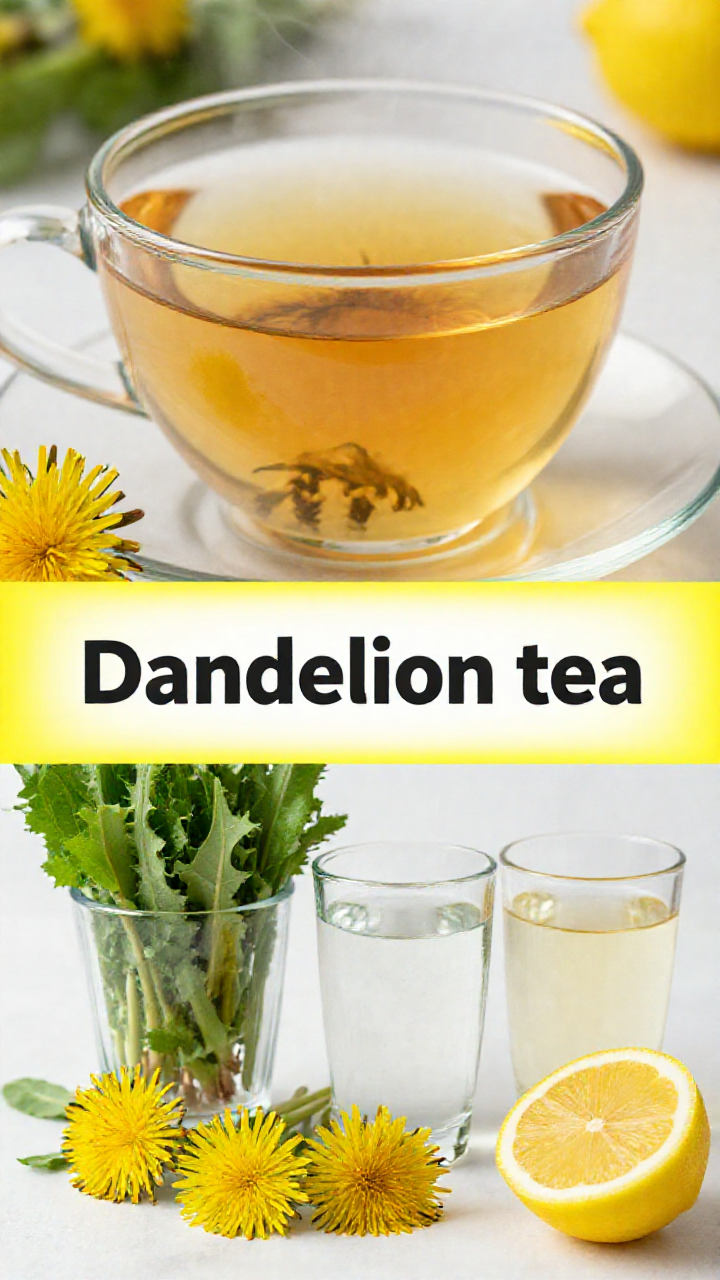
Dandelion Tea: A Golden Brew for Wellness and Quiet Moments
There’s something profoundly comforting about a cup of tea, especially when it’s steeped in the gentle wisdom of nature. Today, we’re exploring a brew that’s as humble as it is healthful: Dandelion Tea. Imagine a warm, golden hue filling your favorite mug, a subtle earthy aroma rising to meet you, and a taste that’s both slightly bitter and surprisingly refreshing. It’s more than just a beverage; it’s a ritual, a quiet moment to reconnect with the simple goodness of the earth. Dandelion tea offers an array of health benefits and is also deeply connected to nature’s rhythms. Join me as we uncover the secrets of this remarkable herbal remedy.
Why You’ll Love This Dandelion Tea
This dandelion tea recipe is a celebration of simplicity and wholesome goodness. Here’s why I think you’ll adore it:
- Easy to Make: With just a few ingredients and minimal effort, you can create a nourishing cup of tea.
- Natural and Wholesome: Made with fresh dandelion flowers and leaves, you’re harnessing the power of nature in its purest form.
- Health Benefits: Dandelion tea boasts a range of potential health benefits, from supporting liver function to aiding digestion.
- Versatile: Enjoy it hot or cold, plain or with a touch of honey or lemon, customizing it to your preference.
- Sustainable: Dandelions are often considered weeds, so you can harvest them responsibly from your own garden or a trusted source.
Ingredients for Dandelion Tea
Here’s what you’ll need to brew a delightful cup of dandelion tea:
- 2 cups fresh dandelion flowers and/or leaves: Choose young, tender leaves and vibrant flowers for the best flavor.
- 4 cups water: Filtered water is ideal for a clean, pure taste.
- Honey or lemon (optional): To sweeten or add a touch of zest, if desired.
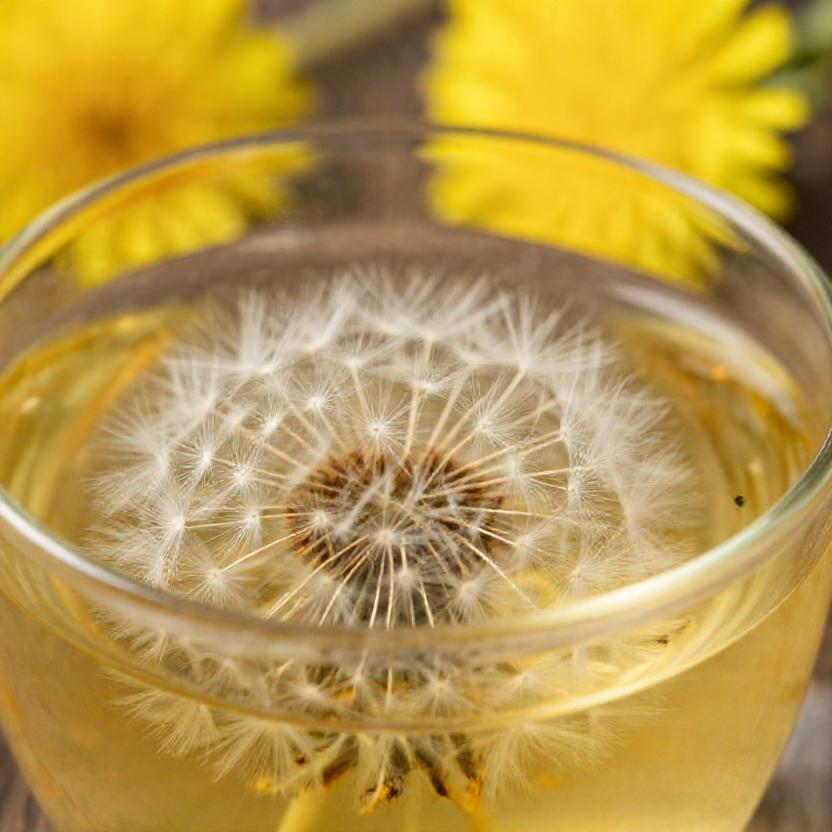
How to Brew Dandelion Tea: A Step-by-Step Guide
Brewing dandelion tea is a simple and meditative process. Follow these steps for a perfect cup:
- Rinse the dandelions: Thoroughly rinse the dandelion flowers and/or leaves to remove any dirt or insects. A gentle soak in cool water works well.
- Boil the water: Bring the water to a boil in a saucepan.
- Add the dandelions: Add the dandelion flowers and/or leaves to the boiling water.
- Simmer: Reduce heat and simmer gently for 20-30 minutes. This allows the flavors and beneficial compounds to infuse into the water.
- Strain: Strain the tea through a fine-mesh sieve or cheesecloth into a cup. This removes any plant matter, leaving you with a smooth, clear tea.
- Serve: Add honey or lemon to taste, if desired. Enjoy your dandelion tea!
Pro Tips for the Best Dandelion Tea
To elevate your dandelion tea experience, consider these pro tips:
- Harvesting: Harvest dandelions in the morning, after the dew has dried, for the best flavor. Choose flowers and leaves from areas that haven’t been treated with pesticides or herbicides.
- Drying: For a more intense flavor, you can dry the dandelion flowers and leaves before brewing. Spread them out on a clean surface in a well-ventilated area until completely dry.
- Roasting: Roasting the dandelion root before brewing can add a deeper, more coffee-like flavor to your tea.
- Water Quality: Use filtered water for the purest taste and to avoid any unwanted flavors from tap water.
- Steeping Time: Experiment with the steeping time to find your preferred flavor intensity. Longer steeping times will result in a stronger, more bitter tea.
Common Mistakes to Avoid
Even with a simple recipe, there are a few common mistakes to watch out for:
- Not rinsing thoroughly: Failing to rinse the dandelions properly can result in a gritty or bitter tea.
- Over-boiling: Boiling the tea for too long can make it overly bitter. Simmering gently is key.
- Using old dandelions: Older dandelion leaves can be quite bitter. Choose young, tender leaves for the best flavor.
- Adding too much sweetener: Dandelion tea has a naturally subtle flavor, so go easy on the honey or lemon.
- Ignoring the source: Only harvest dandelions from areas you know are free from pesticides and pollutants.
Dandelion Tea Variations: Exploring Different Flavors
Dandelion tea is a versatile base for experimentation. Here are a few variations to try:
- Ginger Dandelion Tea: Add a few slices of fresh ginger to the simmering water for a warming and spicy twist.
- Lemon Balm Dandelion Tea: Combine dandelion leaves with lemon balm for a calming and citrusy blend.
- Peppermint Dandelion Tea: Add a few fresh peppermint leaves for a refreshing and digestive-friendly tea.
- Chamomile Dandelion Tea: Blend dandelion flowers with chamomile for a soothing and relaxing bedtime tea.
- Spiced Dandelion Tea: Add a cinnamon stick, a few cloves, and a star anise to the simmering water for a warm and aromatic tea.
Storing Dandelion Tea
If you brew a large batch of dandelion tea, you can store it in the refrigerator for up to 24 hours. Keep it in a sealed container to preserve its flavor and freshness. You can enjoy it cold or reheat it gently on the stovetop or in the microwave.
Frequently Asked Questions About Dandelion Tea
Here are some common questions about dandelion tea:
- What are the health benefits of dandelion tea? Dandelion tea is believed to support liver function, aid digestion, and act as a natural diuretic. It’s also a good source of vitamins and minerals.
- Does dandelion tea have caffeine? No, dandelion tea is naturally caffeine-free.
- Can I drink dandelion tea every day? In general, dandelion tea is safe to drink daily in moderation. However, it’s always best to consult with your healthcare provider, especially if you have any underlying health conditions or are taking medications.
- What does dandelion tea taste like? Dandelion tea has a slightly bitter, earthy flavor. The bitterness can be balanced with honey or lemon.
- Where can I find dandelion flowers and leaves? You can harvest dandelions from your own garden or a trusted source. Be sure to choose areas that haven’t been treated with pesticides or herbicides. You can also find dried dandelion root and leaf at many health food stores.
Serving Suggestions for Dandelion Tea
Dandelion tea is a delightful beverage to enjoy any time of day. Here are a few serving suggestions:
- As a morning ritual: Start your day with a warm cup of dandelion tea to gently awaken your senses and support digestion.
- As an afternoon pick-me-up: Replace your usual coffee or tea with a refreshing cup of dandelion tea for a caffeine-free energy boost.
- As a calming evening beverage: Enjoy a cup of dandelion tea before bed to relax and promote restful sleep.
- Paired with a light snack: Dandelion tea pairs well with light snacks like shortbread-dandelion-cookies, tea-party-snacks or fried-dandelion-blossoms.
- As a digestive aid: Drink dandelion tea after a meal to support digestion and reduce bloating.
Dandelion Tea: Health Benefits and Uses
Dandelion tea is celebrated for its potential health benefits. Here’s a deeper dive into its uses and advantages:
- Dandelion Tea Health Uses: Supports liver detoxification and promotes healthy digestion.
- How To Read Dandelion Tea: While not traditionally used for tasseography, observing the clarity and color of the tea can indicate the quality of the ingredients.
- Dandelion Tea Benefits Health: Rich in vitamins A, C, and K, and known for its antioxidant properties.
- Natural Dandelion Tea: Offers a chemical-free alternative to conventional beverages.
- Dandelion Tea Tasseography: Although unconventional, some may interpret the tea leaves for symbolic meanings.
- Dandelion Benefits Health: Supports kidney function and may help regulate blood sugar levels.
- Dandelion Herbal Guide: A versatile herb with uses ranging from culinary to medicinal.
- Dandelion Flower Tea Preparation: Simple brewing method that retains the plant’s beneficial compounds.
- Dandelion Herb Benefits: Known for its anti-inflammatory and immune-boosting properties.

Dandelion Tea
Ingredients
Method
- Rinse the dandelion flowers and/or leaves thoroughly.
- Bring the water to a boil in a saucepan.
- Add the dandelion flowers and/or leaves to the boiling water.
- Reduce heat and simmer for 20-30 minutes.
- Strain the tea into a cup.
- Add honey or lemon to taste, if desired.
- Enjoy your dandelion tea!
Notes